

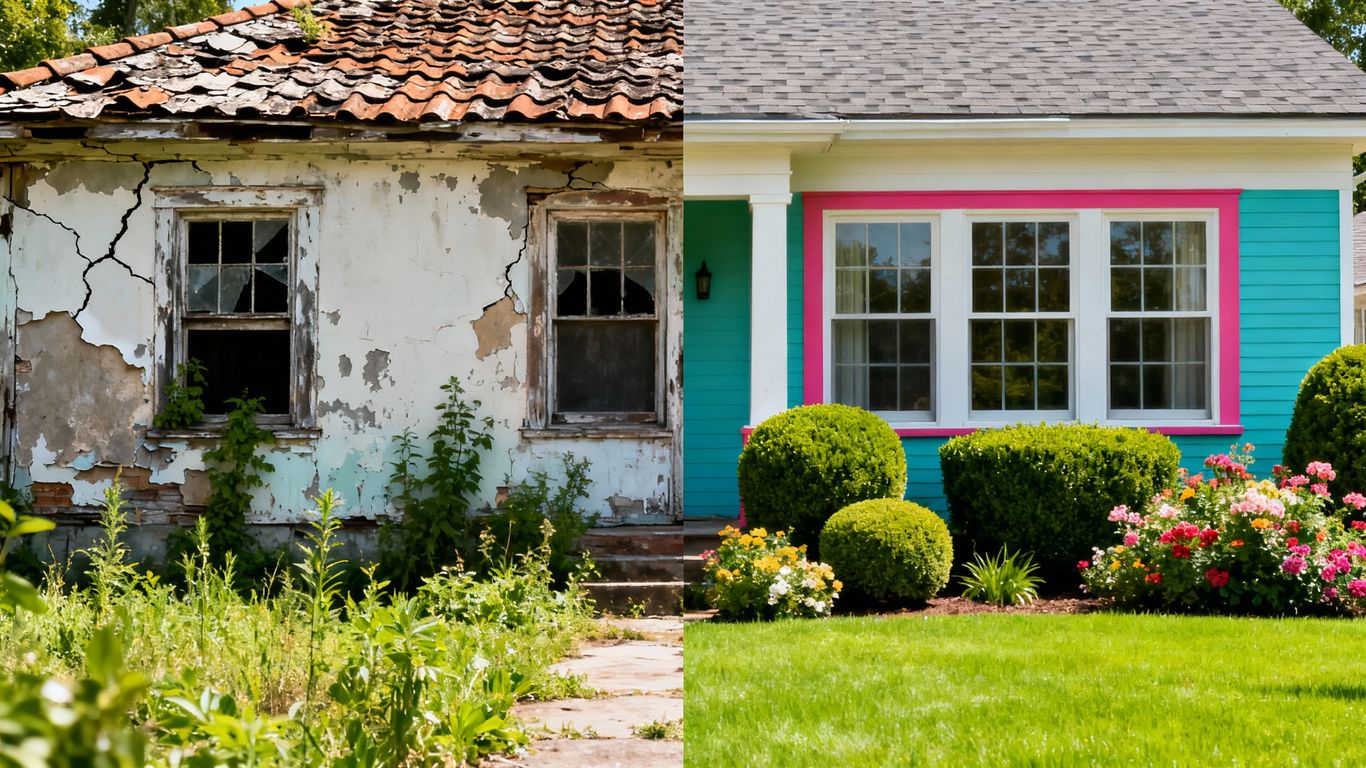
Embarking on a whole house rehabilitation project can feel like a huge undertaking, especially when watching your wallet. At Freedom Maids, we’ve seen those renovation shows where everything goes perfectly, but the reality for most of us involves careful planning and smart choices. Our goal is to show you how to achieve significant improvements without breaking the bank. We’ll cover how to plan your project, get your home ready, and use techniques that give you the most bang for your buck. Let’s get started on making your house a better place to live.
Key Takeaways
- When planning your home renovation, it’s important to figure out what needs fixing the most. Think about the things that are really broken or causing problems first. Also, look for places to get your building supplies without spending too much money. Sometimes, local stores or even used materials can work well.
- Getting your home ready for work is a big part of the job. If your home has a lot of clutter, bringing in hoarder cleaning services can make a huge difference. This clears the way for workers and makes the whole process smoother. If you’re doing it yourself, making a plan to get rid of things you don’t need is a good idea.
- During the renovation, think about how you’ll pay for the people doing the work. Sometimes, doing parts of the work yourself can save money. Also, look for simple ways to change the look of your home. Painting walls a new color or changing out cabinet handles can make a big impact without costing a lot.
Strategic Planning For Your Home Renovation
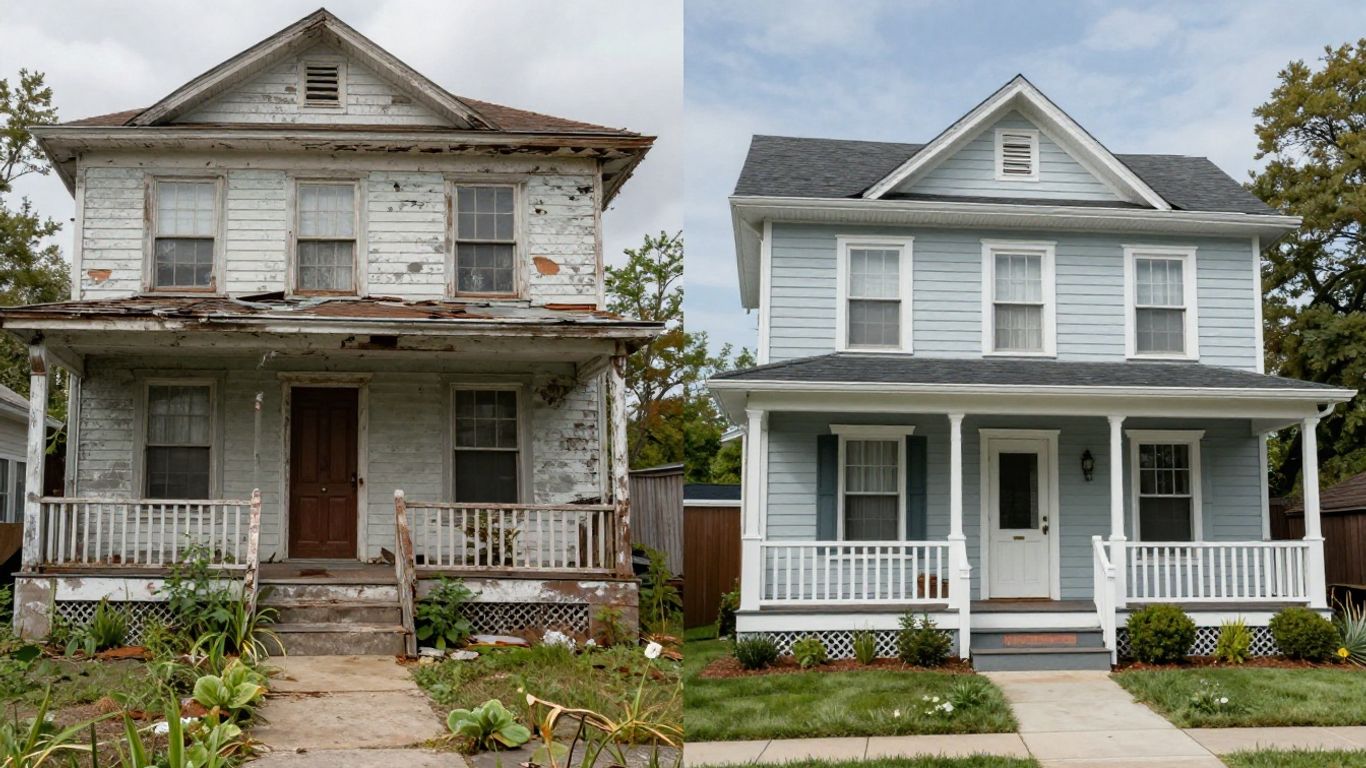
Embarking on a whole-house renovation, especially when keeping a close eye on the budget, really starts with a solid plan. We found that without clear priorities, it’s easy to get sidetracked by wants instead of needs, which can quickly blow up the costs. So, before we even thought about picking out paint colors, we sat down and made a list of everything we felt needed doing.
Prioritizing Essential Repairs
This step was probably the most important for us. We had to be honest about what was truly necessary versus what would just be nice to have. Think about the bones of your house: the roof, the foundation, plumbing, and electrical systems. These are the things that, if they fail, can cause much bigger, more expensive problems down the line. We walked through our house room by room, noting any issues, big or small. Then, we categorized them.
- Urgent: Things that needed immediate attention to prevent further damage or safety hazards.
- Important: Repairs that would improve the function and longevity of the house.
- Cosmetic: Updates that would improve the look but weren’t structurally necessary.
We created a simple spreadsheet to track these. It helped us see where our money had to go first. For example, we discovered some old wiring that definitely needed replacing before we could even think about new light fixtures. Focusing on these critical areas first saved us from potential costly emergencies later.
Securing Affordable Materials
Once we knew what we needed to fix or update, the next big challenge was finding the materials without spending a fortune. This took some digging, but we found several ways to keep costs down.
- Salvage Yards and Architectural Salvage Stores: We were amazed at what we found! Old doors, unique hardware, even beautiful reclaimed wood for accent pieces. It adds character and saves a lot.
- Sales and Discount Retailers: Keeping an eye on sales flyers and visiting discount home improvement stores can yield significant savings on things like tile, flooring, and fixtures.
- Buying in Bulk (When Sensible): For items we knew we’d need a lot of, like drywall or insulation, buying in larger quantities often came with a discount. We had to make sure we had storage space, though.
- Local Classifieds and Online Marketplaces: People often sell leftover or gently used building materials for a fraction of the retail price. It’s worth checking regularly.
We learned that patience is key when looking for deals. It might take a little longer to find the right materials at the right price, but the savings are well worth the effort. Don’t be afraid to haggle a bit, especially at salvage yards or when buying used items.
By tackling the planning phase methodically, we felt much more in control of the renovation budget. It wasn’t just about spending less; it was about spending smartly on what mattered most.
Managing Clutter and Preparing For Renovation
Before we even think about new paint or flooring, we need to tackle the stuff. Our homes often accumulate more than we realize, and a renovation project can quickly become overwhelming if we don’t get a handle on the clutter first. A clear space makes for a smoother, safer, and more efficient renovation process.
The Role of Hoarder Cleaning Services in Preparation
For some of us, the amount of stuff we’ve collected might feel like a mountain. If you’re finding it hard to even start sorting, bringing in professionals can be a real game-changer. Hoarder cleaning services aren’t just about throwing things away; they offer a structured approach to decluttering large amounts of possessions. They have the experience and the manpower to sort, pack, and dispose of items responsibly. This can save us a tremendous amount of time and emotional energy, allowing us to focus on the actual renovation work. Think of it as a professional reset button for your home.
DIY Decluttering Strategies
If professional help isn’t in the budget, or if the clutter is more manageable, we can certainly tackle this ourselves. It just takes a plan and some serious dedication. Here are a few ways we can approach it:
- The Four-Box Method: Get four large boxes or bins. Label them: Keep, Donate, Sell, Trash. Go room by room, or even section by section, and place every item into one of these categories. It forces a decision for each item.
- The One-In, One-Out Rule (for the future): While not for immediate decluttering, adopting this rule after the renovation can help prevent future build-up. For every new item that comes into the house, an old one must go.
- Set Small, Achievable Goals: Instead of trying to declutter the whole house in a weekend, aim for one drawer, one shelf, or one small closet per day. Small wins build momentum.
- Take ‘Before’ Photos: This might sound odd, but seeing the progress as you clear spaces can be incredibly motivating. It also helps when you’re deciding what to keep.
Clearing out the excess before the work begins is more than just tidying up. It’s about creating a blank canvas. It allows contractors to work without tripping over things, protects your belongings from dust and damage, and frankly, makes the whole experience less stressful. We want to focus on making our house beautiful, not on navigating piles of forgotten items.
We also need to think about where the ‘Keep’ items will go during the renovation. If space is tight, consider renting a small storage unit for a few months. For items we plan to sell, set a deadline. If they haven’t sold by then, consider donating them to avoid them lingering and taking up space.
Cost-Effective Renovation Techniques
When we talk about renovating our homes without breaking the bank, it’s all about being smart with our money and our choices. We’ve found that focusing on a few key areas can make a huge difference in the final cost.
Smart Budgeting for Labor Costs
Labor is often the biggest chunk of any renovation budget, and it’s easy to overspend here if we’re not careful. One of the first things we learned is to get multiple quotes. Don’t just go with the first contractor you talk to. We usually aim to get at least three detailed estimates for any significant work. This helps us see the range of pricing and understand what’s fair.
- Get detailed bids: Make sure each bid breaks down the costs for materials and labor separately. This way, we can compare apples to apples.
- Consider doing some of the work ourselves: If we’re comfortable with certain tasks, like painting or demolition, we can save a good amount on labor. We just have to be realistic about our skills and the time we have.
- Phasing the project: Sometimes, it makes sense to break a big renovation into smaller phases. We can tackle the most important parts now and save other areas for later when our budget allows.
We also found that being organized and having clear plans ready for the contractors saves them time, which can translate into savings for us. If they’re not waiting around for decisions or dealing with unclear instructions, they can work more efficiently.
Being prepared with detailed plans and a clear scope of work is one of the best ways to control labor costs. It minimizes confusion and potential delays, which contractors often charge for.
Creative Solutions for a Fresh Look
Getting a fresh, updated look doesn’t always mean buying all new, expensive items. There are plenty of ways to be creative and save money.
- Refinishing existing features: Instead of replacing cabinets, countertops, or flooring, we often look into refinishing them. A good sanding and a fresh coat of paint or stain can make old cabinets look brand new. For countertops, sometimes a good cleaning and sealing is all that’s needed, or we might consider a resurfacing kit.
- Shopping for used or discounted materials: Places like Habitat for Humanity ReStores, architectural salvage yards, or even online marketplaces can be goldmines for unique and affordable fixtures, doors, windows, and even lumber. We’ve found some amazing deals this way.
- DIY decor and accents: For smaller touches, like updating light fixtures, changing out cabinet hardware, or adding a new backsplash, we often turn to DIY projects. Simple changes like these can have a big impact on the overall feel of a room without costing a fortune.
We also found that focusing on paint can work wonders. A fresh coat of paint in a modern color can completely change the atmosphere of a room. It’s one of the most budget-friendly ways to make a big visual impact. We’ve learned to choose colors carefully, looking at how they interact with the natural light in the space.
Wrapping It Up
So, Freedom Maids has gone through the whole process, from the initial idea to the final touches. It wasn’t always easy, and there were definitely moments we wondered if we’d bitten off more than we could chew. But looking back now, seeing the house transformed without breaking the bank feels pretty good. We learned a lot, mostly through trial and error, and found that careful planning and smart choices really do make a difference. It shows that a big project like this is possible, even when you’re watching every penny. We hope our journey gives you the confidence to start your own home improvement adventure.
Frequently Asked Questions
How do we decide what’s most important to fix first when our house needs a lot of work?
When tackling a big home makeover on a tight budget, we first look at what absolutely needs fixing. This means checking for safety issues like bad wiring or a leaky roof. Then, we think about what will make the biggest difference for our daily lives. Sometimes, a fresh coat of paint in the main living areas can feel like a huge upgrade without costing too much. We make a list and put the most urgent and impactful things at the top.
What are some clever ways we can make our home look great without spending a fortune on new stuff?
Freedom Maids has found that getting creative is key! Instead of buying all new furniture, we often look for second-hand treasures at thrift stores or online marketplaces. Sometimes, a good cleaning and a new arrangement of what we already own can make a room feel completely different. We also love DIY projects, like painting old cabinets or updating hardware, which can give a space a modern feel for a fraction of the price of replacing everything.
Is it really possible to do a whole house renovation without breaking the bank?
Absolutely! It takes careful planning and smart choices. We learned that doing some of the work ourselves, where we can, saves a lot on labor costs. Finding deals on materials, like looking for sales or using slightly imperfect items that are still perfectly good, also helps a ton. The biggest thing is staying focused on our goals and not getting sidetracked by expensive trends. We prioritize what truly matters for our home’s comfort and value.