

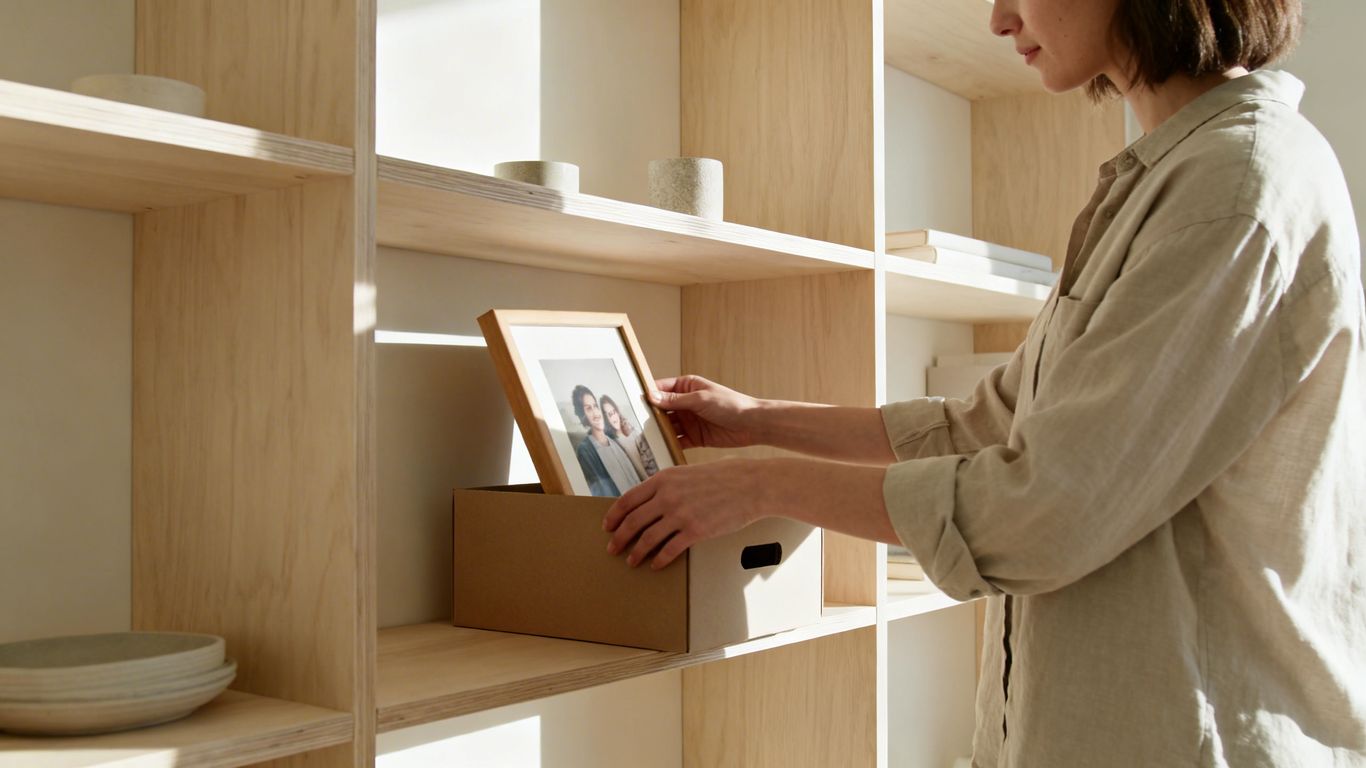
We’ve all heard about Swedish Death Cleaning, or ‘döstädning’ as it’s known in Sweden. It’s a method that encourages us to sort through our belongings with the future in mind. Instead of leaving a huge mess for our loved ones to deal with, we take on the task ourselves. It’s about making life simpler now and for those who come after us. It might sound a bit grim, but it’s actually a very practical and kind approach to living.
Key Takeaways
- Swedish Death Cleaning is about decluttering your life with the future in mind, aiming to lighten the load for yourself and your family.
- The process involves sorting through belongings, keeping what’s useful or brings joy, and letting go of the rest.
- While the idea is to simplify, sometimes the task can become overwhelming, and seeking a professional hoarder cleaning service might be a necessary step for significant clutter.
Embracing the Döstädning Philosophy
We often hear about decluttering, but Swedish Death Cleaning, or döstädning, offers a unique perspective. It’s not just about tidying up; it’s a mindful process of sorting through our belongings with the end of life in mind. This isn’t about morbid fascination, but rather a practical and compassionate way to lighten the load for those we leave behind. We can start by understanding its core principles.
Understanding the Core Principles of Swedish Death Cleaning
The main idea behind döstädning is to remove unnecessary items from our lives before we die. This means we, ourselves, take responsibility for our possessions. It’s about asking ourselves if an item brings us joy or if it serves a purpose. If not, it’s time to let it go. This process can be broken down into a few key actions:
- Sort through belongings: Go through your things, room by room, or category by category.
- Decide what to keep: Only keep items that are useful or bring genuine happiness.
- Dispose of the rest: This could mean donating, selling, recycling, or discarding items responsibly.
- Organize what remains: Make sure the items you keep are easy to find and access.
It’s a gradual process, not a one-time event. We can tackle a drawer, a shelf, or a whole closet at our own pace. The goal is to create a sense of order and peace, knowing that our loved ones won’t be burdened with sorting through our accumulated possessions later.
The beauty of döstädning lies in its gentle approach. It encourages us to reflect on our lives through the objects we’ve collected, making decisions with intention and care.
The Emotional Benefits of Decluttering for the Future
While the practical benefits are clear – a tidier home, less to manage – the emotional rewards are perhaps even more significant. As we engage in döstädning, we often unearth memories associated with our possessions. This can be a journey of rediscovery, allowing us to appreciate the past without being weighed down by it. Letting go of items that no longer serve us can be incredibly freeing. It’s like shedding old skin, making space for new experiences and a lighter spirit. This proactive approach can reduce anxiety about the future, both for ourselves and for our families. We gain a sense of control and peace, knowing we’ve taken steps to simplify things for those who will come after us. It’s an act of love, really, preparing for the inevitable with grace and foresight.
Practical Steps for a Clutter-Free Existence
So, we’ve talked about the ‘why’ behind Swedish Death Cleaning, but how do we actually do it? It’s not about a one-time purge; it’s more about a shift in how we approach our belongings. We need to start thinking about our homes not just as places we live now, but as spaces that future generations will have to sort through. That’s a big thought, isn’t it?
Organizing Your Home with Intention
This is where the rubber meets the road. We can’t just stare at our stuff and expect it to disappear. We need a plan. Think of it like this: every item in your home should have a purpose, a memory attached, or a clear path to a new owner. If it’s just taking up space and gathering dust, it’s probably time to let it go.
Here’s a way we can approach it:
- Start Small: Don’t try to tackle the whole house in a weekend. Pick one drawer, one shelf, or one small closet. Completing a small area gives us a sense of accomplishment and momentum.
- Categorize: As we go through items, we can group them. Keep, Donate, Sell, Trash. This simple system helps us make decisions faster.
- Ask the Hard Questions: For each item, we can ask ourselves: “Do I use this regularly?” “Does this bring me joy?” “Would someone else benefit more from this?” “If I were shopping today, would I buy this again?”
- The ‘Maybe’ Box: It’s okay to have a temporary holding place for items we’re unsure about. But set a deadline for this box – say, three months. If we haven’t needed or missed the items by then, it’s time for them to go.
We also need to be mindful of what we bring into our homes in the first place. Every new purchase is a future decision about whether to keep it or let it go. Being more intentional about our consumption makes the decluttering process much easier down the line.
The goal isn’t to live in an empty house, but a house filled only with things that serve a purpose or hold genuine meaning for us. It’s about creating a peaceful environment, not a museum.
When to Seek Professional Hoarder Cleaning Service Assistance
Sometimes, the sheer volume of possessions can feel overwhelming. We might have accumulated so much over the years that the task of sorting and organizing feels impossible. In these situations, it’s perfectly okay, and often very helpful, to bring in outside help. Professional cleaning services that specialize in hoarding situations understand the emotional complexities involved. They can provide a non-judgmental, structured approach to clearing out spaces that have become unmanageable. Their assistance can be a turning point for reclaiming our living environment and our peace of mind. It’s not a sign of failure, but a practical step towards a simpler, more organized life when we need it.
Wrapping Up Our Death Cleaning Journey
So, we’ve talked about this Swedish idea of death cleaning, or ‘döstädning’ as they call it. It’s not about getting rid of everything you own in a panic. Instead, it’s a thoughtful process. We can start small, maybe with just one drawer or a shelf. The goal is to make life a bit easier for ourselves now, and also for those who might have to sort through our things later. It’s about creating space, both physically and mentally. Think about what truly matters to you. By letting go of the extra stuff, we might find we have more time and energy for the things and people we love. It’s a way to live a little lighter, really.
Frequently Asked Questions
What exactly is this ‘Swedish Death Cleaning’ thing?
We understand ‘Swedish Death Cleaning,’ or ‘döstädning’ in Swedish, might sound a bit strange at first. It’s actually a way of organizing your life and home by getting rid of things you don’t need or love. The idea is to make things easier for your loved ones later on, so they don’t have to sort through a lot of stuff when you’re gone. It’s about creating a lighter, more peaceful space for everyone, now and in the future.
Is this just about getting rid of junk, or is there more to it?
While getting rid of unnecessary items is a big part, it’s also about reflecting on what truly matters to us. We’re encouraged to think about the memories attached to our belongings. Do they bring us joy? Are they useful? By asking these questions, we can decide what to keep, what to give away, and what to let go of. It’s a thoughtful process that helps us appreciate what we have and clear out what we don’t.
What if I have too much stuff and don’t know where to start?
That’s a common feeling! We suggest starting small. Pick one drawer, one shelf, or even just one category of items, like books or clothes. Don’t try to do everything at once. If you find yourself overwhelmed or dealing with a very large amount of clutter, it’s perfectly okay to ask for help. There are professional services that specialize in helping people organize and clear out their homes, making the process much more manageable.