

When storms hit, they can bring more than just wind and rain, especially to homes dealing with hoarding. Water damage complicates an already difficult situation, creating new challenges for safety and health. We’ve seen firsthand how water can worsen structural problems and encourage mold, making a safe living space feel impossible. Addressing these issues requires a careful approach, focusing on both the water damage and the underlying hoarding.
Key Takeaways
- Water damage in a hoarded home needs immediate attention to prevent mold and structural decay.
- Specialized hoarding cleanup services are necessary for safe and effective storm recovery.
- Professional help restores safety and makes the home livable again after storm damage and hoarding are addressed.
Addressing Water Damage in Hoarded Environments
When storms hit and water finds its way into a home, especially one with hoarding, the situation gets complicated fast. We’ve seen it before – the water doesn’t just sit on the floor. It seeps into everything, and in a hoarded space, that means it gets trapped. Think about stacks of newspapers, piles of clothes, and boxes full of items. Water gets in, and it has nowhere to go. This creates a perfect breeding ground for problems.
Assessing the Extent of Water Intrusion
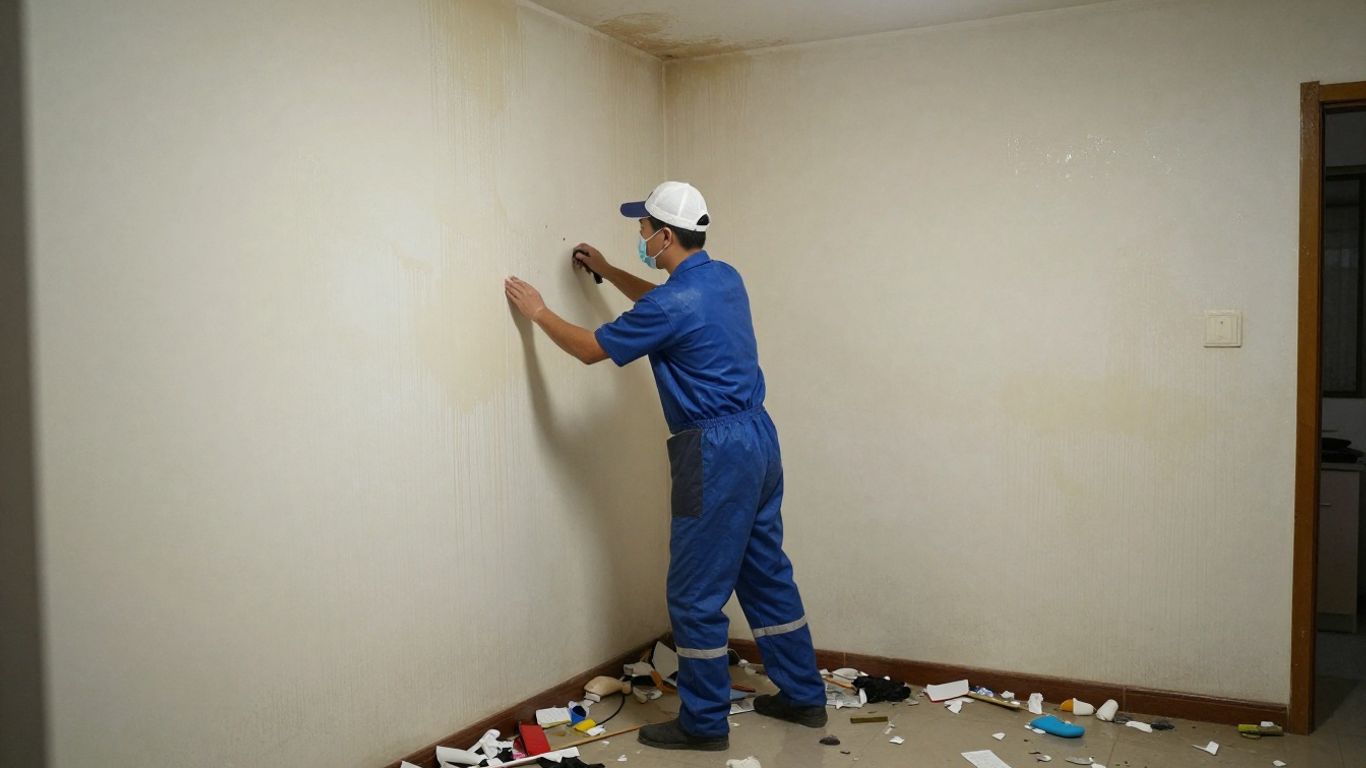
First things first, we need to figure out just how bad the water damage is. This isn’t like a normal house where you can just pull back a rug. We have to carefully move items, sometimes just a little at a time, to see where the water has gone. We look for:
- Visible water stains on walls and ceilings.
- Dampness or sogginess in materials like carpet, upholstery, and even the structure itself.
- Areas where water might have pooled or been absorbed.
It’s vital to document everything we find. This helps us plan the cleanup and also for any insurance claims.
Mitigating Mold Growth and Structural Issues
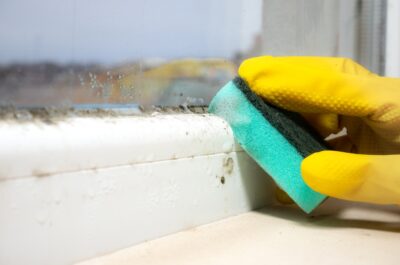
Once we know where the water is, the next big worry is mold. Mold can start growing in as little as 24-48 hours, and in a hoarded environment, it can spread quickly and silently within the clutter. We have to act fast to stop it. This involves:
- Removing wet materials that can’t be dried out.
- Using specialized drying equipment to pull moisture from the air and surfaces.
- Applying antimicrobial treatments to prevent mold spores from taking hold.
Beyond mold, we also check for structural damage. Water can weaken wood, warp drywall, and even affect the foundation over time. We need to make sure the house is safe to be in.
Dealing with water damage in a hoarded home requires a careful, step-by-step approach. Rushing can make things worse, especially when it comes to mold and the integrity of the building itself. Patience and thoroughness are key.
Professional Hoarding Cleanup Services for Storm Recovery
When storms hit and water damage occurs in a home with hoarding, the situation becomes much more complex than a typical cleanup. We’ve found that the sheer volume of items can hide the extent of the water damage, making it difficult to assess and address properly. This is where bringing in professionals who specialize in hoarding cleanup becomes not just helpful, but necessary.
The Importance of Specialized Hoarding Cleanup Services
Dealing with water damage in a hoarded home requires a specific skill set and approach. Standard restoration companies might not be equipped to handle the unique challenges presented by hoarding disorder. These specialists understand the psychological aspects involved and can work with sensitivity. They have the training to identify hazards that might be missed by others, such as hidden structural weaknesses or extensive mold growth concealed within the clutter. Their experience allows them to sort, categorize, and safely remove items while respecting the individual’s situation. This methodical approach is key to making progress.
We’ve seen firsthand how professionals can:
- Safely navigate and clear heavily cluttered areas.
- Properly dispose of contaminated materials according to regulations.
- Identify and mitigate potential health risks like mold and bacteria.
- Work with families and individuals to respectfully handle sentimental items.
Restoring Safety and Habitability Post-Storm
After the initial cleanup, the focus shifts to making the home safe and livable again. This involves more than just drying out the structure. Professionals will assess the structural integrity of the home, checking for damage to walls, floors, and ceilings that might have been exacerbated by the water and the weight of the hoarded items. They will also manage the remediation of any mold or mildew that has begun to grow, which can be a significant health concern, especially in damp, cluttered environments. Our goal is always to return the home to a state where it is safe for its occupants and free from the immediate threats posed by water damage and the conditions that allowed it to worsen.
The process of restoring a hoarded home after storm damage is a marathon, not a sprint. It requires patience, specialized knowledge, and a compassionate approach to address both the physical damage and the underlying issues contributing to hoarding. We must be thorough in our assessment and remediation to prevent future problems.
Here’s a general timeline we often see:
- Initial Assessment and Safety Plan: Professionals evaluate the damage and create a plan to ensure the safety of everyone involved during the cleanup.
- Decontamination and Removal: This is the most intensive phase, involving the removal of damaged items, water extraction, and initial mold treatment.
- Structural Repairs and Restoration: Once cleared, repairs to the building’s structure begin, followed by cleaning and sanitizing.
- Rebuilding and Final Touches: This includes cosmetic repairs, painting, and ensuring the home is fully habitable.
Moving Forward
We’ve come a long way from the initial shock of the storm damage and the overwhelming task of clearing out the hoarded items. It wasn’t easy, and there were definitely moments we questioned if we could get through it. But by taking it one step at a time, focusing on safety, and getting the right help, we’ve managed to bring the home back to a livable state. This whole experience has taught us a lot about resilience, the importance of community support, and how much can be accomplished with patience and persistence. While the scars of the storm might remain, the house is now a place of peace and a testament to what can be achieved when we face challenges head-on.
Frequently Asked Questions
What are the first steps we should take after a storm causes water damage in a home with a lot of stuff?
Our primary concern is safety. We must first check for any immediate dangers, like electrical hazards or unstable structures. Then, we need to figure out how far the water has spread and how wet everything is. This helps us plan the best way to clean up and prevent further problems like mold.
How can we stop mold from growing after water damage in a cluttered home?
To stop mold, we need to remove the wet materials as quickly as possible and dry out the affected areas thoroughly. Using fans and dehumidifiers can help speed up the drying process. It’s also important to clean any surfaces that got wet to remove mold spores before they can start to grow and spread.
Why is it important to hire special cleaning services for storm-damaged hoarded homes?
Homes with hoarding situations present unique challenges. Specialized cleaning services have the experience and tools to handle large amounts of items safely and efficiently. They understand how to navigate cluttered spaces, deal with potential health risks, and restore the home to a safe and livable condition, which is crucial after storm damage.