

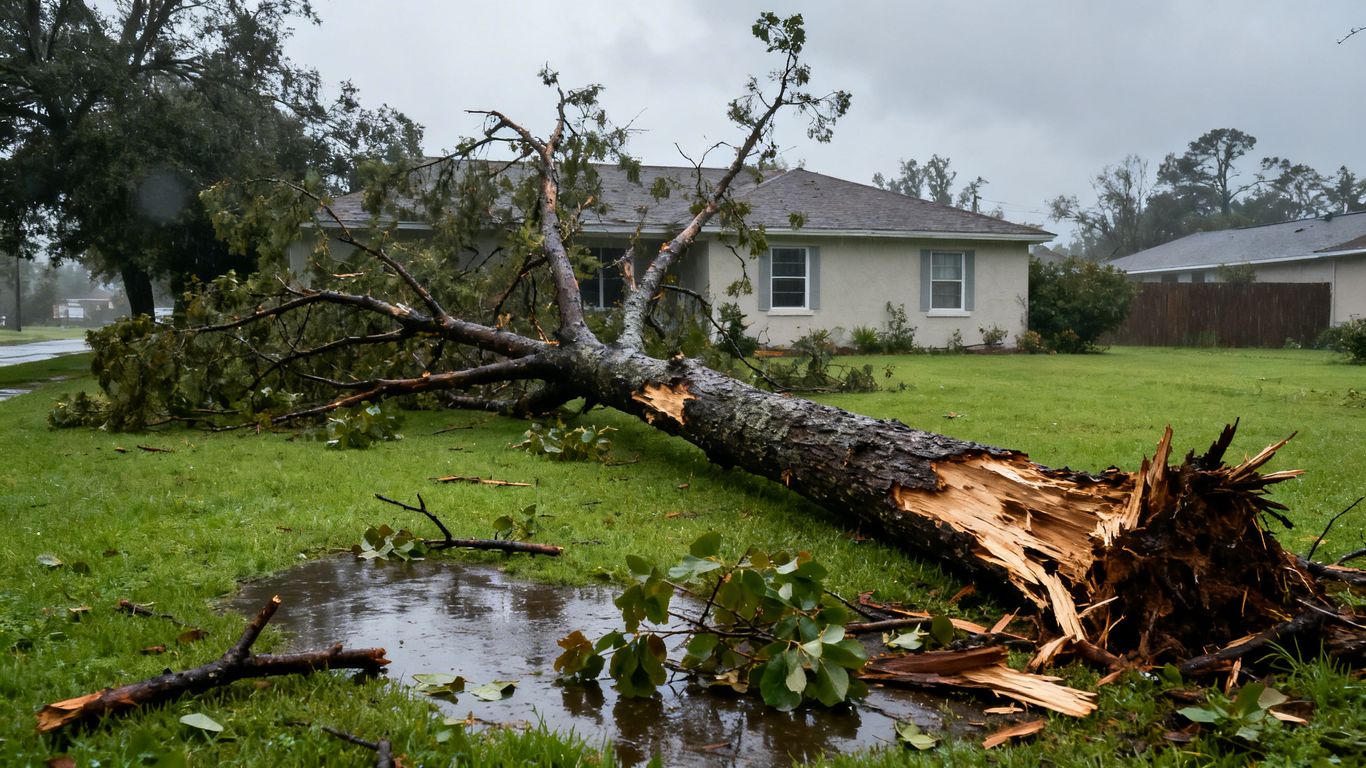
Gusty thunderstorms can leave a mess in our yards. Fallen branches and scattered debris are common sights after a strong storm. We need to tackle this post-storm yard cleanup to keep our properties safe and tidy. It might seem like a big job, but breaking it down makes it manageable.
Key Takeaways
- First, we must check for any damage safely after the storm passes. Look for downed power lines or unstable branches before you start cleaning.
- Next, we should figure out what to do with all the yard waste. There are different ways to get rid of branches and leaves.
- Finally, handling fallen branches needs care. We want to avoid injuries and make sure the debris is disposed of properly.
Essential Steps For Post-Storm Yard Cleanup
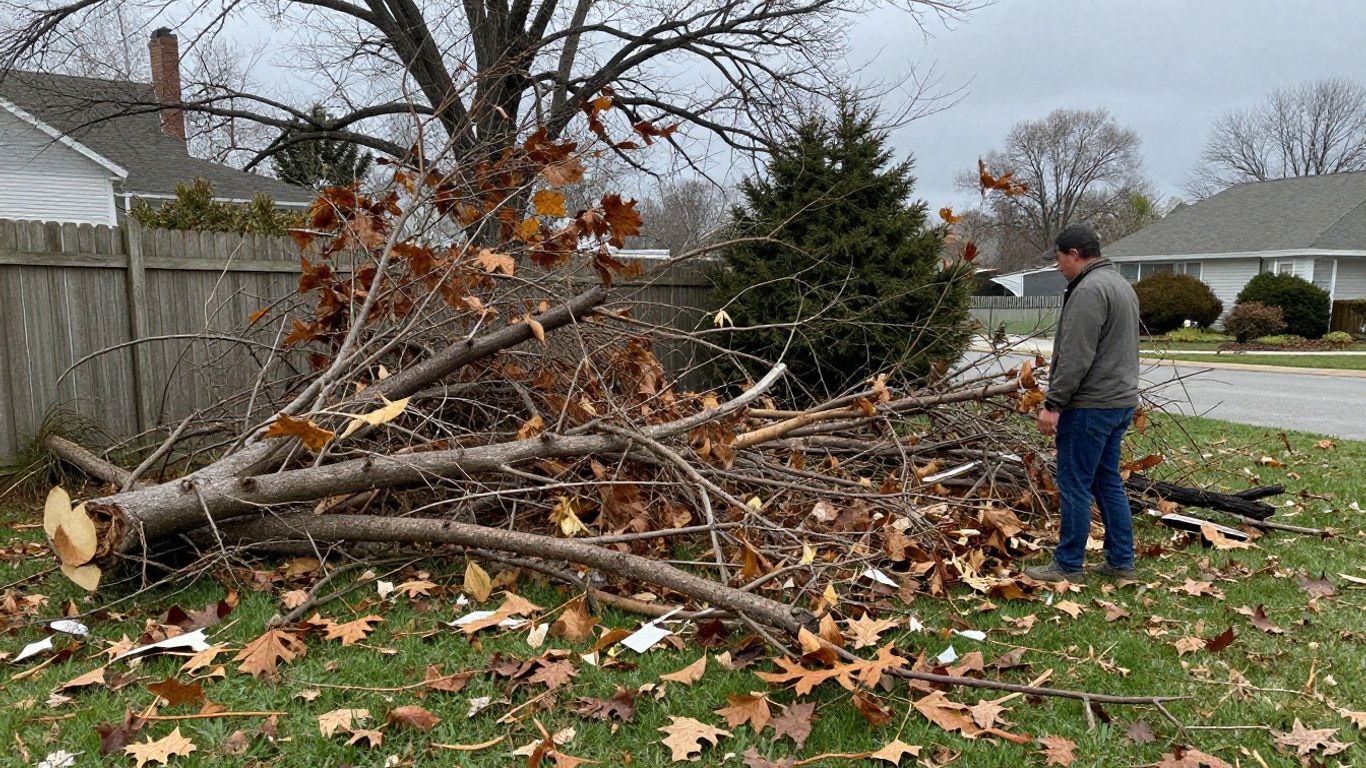
After a strong thunderstorm rolls through, our yards can look like a mess. We need to get things sorted out safely and efficiently. First things first, we have to take a good look at what the storm did.
Assessing Storm Damage Safely
Before we even think about picking up a rake, we need to be careful. Look for downed power lines – these are incredibly dangerous. If you see any, stay far away and call your power company immediately. Also, check for any unstable trees or large branches that look like they might fall. It’s better to be cautious and mark off the area if you’re unsure. We should also inspect our homes for any damage, like loose shingles or siding, that might have been caused by flying debris.
Prioritizing Debris Removal
Once we know it’s safe to move around, we need a plan for the cleanup. Start with the biggest hazards first. This usually means dealing with large fallen branches or anything that could block pathways or damage property. After the major stuff is handled, we can move on to smaller debris like leaves and twigs. Making a list can help us keep track of what needs doing and in what order. We want our yards back to normal, but safety always comes first in this process.
Remember, a little bit of planning goes a long way when dealing with storm aftermath. It helps us avoid injuries and makes the whole cleanup go smoother.
Managing Tree Limb Debris After Gusty Storms
After a storm with strong winds, you’ll likely find fallen tree limbs scattered across your yard. Dealing with this debris requires a careful approach to keep everyone safe and to get your property back in order. We need to think about how we handle these branches and what we do with them afterward.
Safe Handling Of Fallen Branches
Safety is the first thing on our minds when we approach fallen branches. Some limbs might look small, but they can still cause injury if they shift unexpectedly or if you’re not careful. We should always wear sturdy gloves and closed-toe shoes when working with branches. If a branch is large or resting precariously on something, it’s best not to try moving it ourselves. We might need to call a professional for those bigger jobs. Keep an eye out for any downed power lines too; those are extremely dangerous and should be reported to the utility company immediately.
- Always wear protective gear like gloves and boots.
- Assess the stability of the branch before touching it.
- Be aware of your surroundings, especially for hazards like power lines.
- For large or unstable branches, contact a professional tree service.
Disposal Options For Yard Waste
Once we’ve safely gathered the fallen limbs, we need to figure out the best way to get rid of them. Different areas have different rules and options for yard waste disposal. We should check with our local municipality or waste management service to see what’s available.
Here are some common ways to handle tree limb debris:
- Curbside Pickup: Many towns offer special yard waste collection days. We’ll need to know the schedule and any rules about how branches should be bundled or piled.
- Composting: Smaller branches and twigs can often be added to a compost pile. This is a great way to turn waste into useful garden material over time.
- Municipal Drop-off Sites: Some areas have designated spots where residents can bring yard waste for disposal or recycling.
- Professional Removal Services: For large amounts of debris or particularly difficult pieces, hiring a service that specializes in tree removal and cleanup is often the most efficient option.
Choosing the right disposal method depends on the volume of debris, local regulations, and our own capacity to handle the task. It’s always better to be prepared and know our options before the storm hits, but if not, we can figure it out afterward.
We should also consider if any of the wood can be repurposed. Larger, solid pieces might be useful for firewood if properly dried, or perhaps for small DIY projects. It’s a good way to get a little extra use out of what the storm left behind.
Wrapping Up the Cleanup
So, after the wind dies down and the rain stops, we’re often left with quite a mess. Dealing with fallen branches and scattered yard debris can be a real chore. We’ve gone over some ways to tackle this cleanup, from the simple raking to knowing when to call in the pros for those bigger limbs. It’s not the most fun task, but getting it done helps keep our yards safe and tidy. Remember to take your time, work safely, and don’t hesitate to ask for help if you need it. We’ll get through this storm aftermath together, one branch at a time.
Frequently Asked Questions
What’s the first thing we should do after a storm with strong winds damages our yard?
Our first priority is to check for any dangers. We need to make sure there are no downed power lines or unstable trees that could fall. Once we know it’s safe, we can start looking at what needs to be cleaned up.
How should we handle big tree branches that have fallen down?
When dealing with fallen branches, especially large ones, we must be careful. We should wear gloves and sturdy shoes. If a branch is too heavy or seems dangerous to move, it’s best to call a professional to help us out.
What are our choices for getting rid of all the yard waste from the storm?
We have a few options for getting rid of the debris. We can check if our local waste service picks up yard waste, or we might need to take it to a special drop-off center. Sometimes, composting smaller pieces can also be a good way to handle it.