

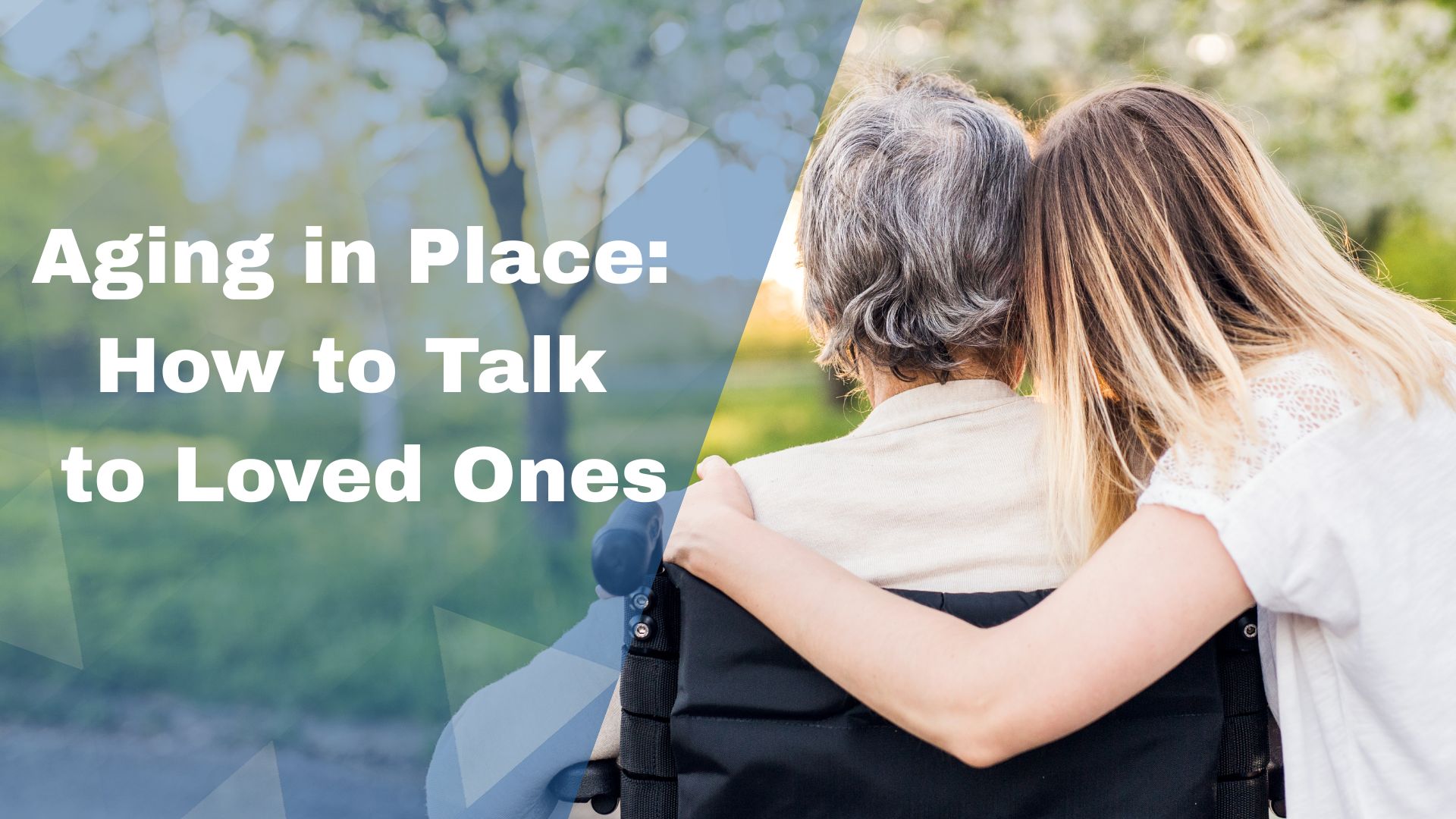
How to Talk to Loved Ones About Aging in Place
How to Talk to Loved Ones About Aging in Place at Home
Talking to someone you love about aging in place can feel like trying to step onto thin ice in soft shoes. When learning how to talk to loved ones about aging in place, you don’t want to scare them, offend them, or make them feel like something is being taken away. Because it isn’t. This conversation is about protecting what matters most-their independence, their comfort, and their right to stay in the place they call home.
These conversations are rarely just about safety upgrades. In fact, they often touch something much deeper. For many families, aging in place brings up feelings tied to pride, memory, and identity. After all, a home isn’t just a building. It’s where routines were formed, milestones were celebrated, and independence was earned over time.
Because of that, even small suggestions can feel personal. That’s why understanding how to talk to loved ones about aging in place starts with recognizing those emotions first. When the conversation begins with empathy instead of urgency, it naturally shifts. It moves away from fear of change and toward something far more comforting-preserving the life they’ve built and the home they love.
Start With Love, Not Logistics
Before you bring up grab bars, ramps, or stair lifts, pause. Take a breath. Start with why, not what.
This conversation isn’t really about age.
It’s about comfort.
About making daily life a little easier.
Most importantly, staying in the place that already feels like home.
You don’t need perfect words. You just need honest ones. Try something simple and human, like:
“I want you to be able to stay here as long as possible.”
“I love this house for you, and I want it to keep working for you.”
“This isn’t about changing your life. It’s just about making things easier day to day.”
When people feel understood instead of managed, walls come down. The conversation softens. And suddenly, it feels less like a plan being pushed-and more like care being shared.
Choose the Right Moment
Timing matters more than most people realize. This isn’t a conversation to spring on someone over dinner or in the middle of a busy day. A kitchen-table ambush or a holiday gathering can make even the gentlest suggestion feel overwhelming.
Instead, look for a calm, private moment when no one feels rushed or defensive. Often, the best openings come naturally. Maybe they mention a sore knee, a close call in the shower, or how the stairs feel steeper than they used to. These small comments are quiet invitations. They open the door without forcing it.
When that moment comes, keep the tone light and curious. You’re not delivering a plan or a timeline. You’re simply starting a conversation. A simple question or observation can go a long way.
And if the timing doesn’t feel right, trust that instinct. Pushing too hard can shut things down. You can always come back to it later. These conversations don’t need to happen all at once. In fact, they’re often better when they unfold slowly, over time, with space for thought and trust to grow.
Focus on Independence, Not Help
For many people, the phrase aging in place can sound like losing control. Even when it’s said with love, it may be heard as, You won’t be able to do this on your own anymore. That’s a tough place to start.
So, gently flip the script.
Instead of focusing on help, focus on independence. Small changes around the home-like better lighting, non-slip flooring, or simple handrails-often reduce the need for assistance. They make everyday tasks smoother, safer, and far less tiring.
It can help to explain it this way: these updates aren’t about taking anything away. They’re about making sure daily life stays manageable and familiar. The goal is to keep routines intact, not replace them.
One simple line to remember is this:
“These changes help you rely on yourself longer.”
That sentence does a lot of quiet work. It shifts the conversation from loss to confidence, from worry to control. And when people feel their independence is being protected, they’re much more open to listening.
Keep It Practical and Start Small
Listening Before Offering Solutions
You don’t need to roll out a full renovation plan on day one. In fact, doing too much at once can feel overwhelming and shut the conversation down before it really begins.
Instead, focus on small, practical changes that blend naturally into the home. These are the kinds of updates that quietly make daily life easier without calling attention to themselves. For example, better lighting in hallways can reduce eye strain and prevent missteps. Grab bars in the bathroom add stability without changing how the space feels. Removing loose rugs or other tripping hazards helps keep walkways clear and stress free.
Simple swaps can also make a big difference. Lever-style door handles are easier on hands and joints. A shower chair that blends in, rather than stands out, offers comfort without making the space feel clinical.
These small wins matter. When someone experiences how helpful one simple change can be, trust grows. And once that trust is there, the next conversation feels less intimidating and far more natural.
Listen More Than You Talk – Aging in Place
This might be the most important part of the entire conversation. Once the topic is open, it can be tempting to explain, reassure, or jump in with solutions. Instead, slow down. Give them room to speak.
Asking thoughtful, open-ended questions helps shift the conversation from telling to understanding. Simple questions like, “What worries you most about changes like this?” or “What do you want your home to feel like in the next ten years?” invite honesty. Even something as straightforward as, “What would make things easier day to day?” can reveal more than you expect.
Then comes the hardest part. Listen. Really listen. Resist the urge to correct, convince, or fill the silence. Sometimes the hesitation has very little to do with grab bars or lighting. More often, it’s tied to fear, pride, grief, or the worry of becoming a burden.
Those feelings matter. When they’re given space, trust grows. And when trust grows, the conversation becomes less about resistance and more about shared understanding.
Respect Their Final Say
At the end of the day, it is their home. That matters. Even with the best intentions, pushing too hard can turn care into pressure.
You can guide them, make simple suggestions. You can advocate for safety and comfort. But real progress comes from respect. When people feel their voice still matters, they are far more likely to stay open instead of shutting down.
Sometimes the answer will be “not yet.” That does not mean the conversation failed. It means the door is still open. You have shared concern. You have shown care. And you have planted a seed.
With time and patience, those seeds often grow. When they are treated kindly, they tend to come back stronger, clearer, and ready to take root.
Remember This Is an Act of Care
Talking about aging in place is not pessimistic. It is an act of practical love. It comes from a place of wanting to protect what matters, not from fear of what might change.
At its heart, this conversation is really saying something very simple.Safety comes first.Comfort matters every day.
Home is where you belong. When those words are shared with care and patience, they land differently.
Said gently, this can become one of the most loving conversations you ever have. Not because it is easy, but because it comes from deep respect, concern, and a desire to help someone stay where they feel most at home.
If you are ready to take the next step, Freedom Maids is here to help. We understand that aging in place is not just about a home. It is about dignity, comfort, and peace of mind for the people you love.
Whether you are just starting the conversation or ready to make small, practical changes, our team is happy to walk you through your options with care and respect. We proudly serve families across Austin, San Antonio, and Houston, Texas.
You can request a free quote anytime at
https://freedommaids.com/quote/
or give us a call at 281 748 0055.
Because helping someone stay safely at home is not just a service. It is an act of care.