
As we get older, many of us want to stay in our own homes for as long as possible. It’s a natural desire to remain independent and comfortable in familiar surroundings. We’ve found that a practice called Swedish death cleaning, or döstädning, can really help with this. It’s not about getting rid of everything, but rather about making our living spaces safer and easier to manage as we age. This approach can make a big difference in how we live day-to-day, allowing us to age in place with more ease.
Key Takeaways
- Swedish death cleaning, döstädning, is a method of decluttering that helps make homes more manageable for seniors who wish to age in place.
- The main idea is to remove excess items now, so loved ones don’t have to later, and to create a safer, more comfortable living space.
- Preparing your home involves clearing pathways for easy movement, organizing items for quick access, and reducing common fall risks.
- Addressing clutter in busy areas like kitchens and bathrooms, and managing cords, makes daily tasks simpler and safer.
- The emotional side of this process is important; letting go of things and involving family can bring peace and a sense of accomplishment.
Understanding Swedish Death Cleaning For Aging In Place
The Philosophy Behind Döstädning
Swedish Death Cleaning, or döstädning as it’s known in its native tongue, isn’t really about death itself. It’s more about living. The idea is to go through your belongings and get rid of things you don’t need or love. This way, you’re not leaving a huge mess for your family to sort through later. It’s a way to lighten your load, both physically and emotionally, while you’re still here to enjoy it. We think of it as a gift to our loved ones and to ourselves. It’s about making space for what truly matters.
Benefits for Seniors Remaining at Home
For those of us who want to stay in our homes as we get older, döstädning can make a big difference. When we clear out unnecessary items, our homes become easier to manage. This means less to clean, less to organize, and less to worry about. It can also make our living spaces safer. Think about it: fewer things lying around means fewer chances to trip and fall. It helps us keep our homes functional and comfortable for longer.
Here are some ways it helps:
- Easier Navigation: Less clutter means clearer paths to move around.
- Reduced Stress: A tidy home is a calmer home.
- Improved Safety: Fewer obstacles reduce the risk of accidents.
- Sense of Control: Taking charge of our belongings feels good.
Distinguishing Death Cleaning from Hoarding
It’s important to know that death cleaning is not hoarding. Hoarding is a condition where someone has trouble getting rid of possessions, no matter their value. It often causes distress and problems in daily life. Death cleaning, on the other hand, is a deliberate process of choosing what to keep and what to let go of. It’s about intentionality. We’re not just accumulating things; we’re making thoughtful decisions about our possessions. The goal is simplification, not accumulation.
Preparing Your Home for Extended Independence
As we consider staying in our homes longer, making them work for us becomes really important. It’s not just about tidying up; it’s about making practical changes so we can move around more freely and safely. We want our homes to support us, not get in the way.
Decluttering Pathways for Mobility
Think about how you move through your house every day. Are there narrow spots? Do you ever bump into things? We need to clear out the main routes we use. This means hallways, doorways, and the paths between rooms. Removing extra furniture, stacks of magazines, or even just too many decorative items can make a big difference. Clear pathways are key to preventing stumbles and falls. It allows for easier movement, whether you’re walking normally or using a cane or walker.
Organizing Essential Items Within Reach
What do we use most often? Things like medications, glasses, phones, or frequently used kitchen tools. These should be easy to get to. We can group these items together. For example, a small basket on a side table for your reading glasses and remote. Or perhaps a few shelves in the kitchen that are at a comfortable height, holding your everyday dishes and glasses. This reduces the need to bend down too far or reach up high, which can be unsteadying.
Reducing Trip Hazards and Fall Risks
This is where we look for those sneaky dangers. Loose rugs are a big one. We can either remove them, secure them with non-slip backing, or use double-sided tape. Electrical cords that snake across the floor are another common problem. We can use cord covers or clips to keep them tidy and out of the way. Even small items left on the floor, like shoes or pet toys, can become hazards. A good rule of thumb is to regularly walk through your home and try to spot anything that looks like it could cause a trip.
Making these adjustments isn’t about getting rid of everything. It’s about being smart with our space. We want to create an environment that feels open, safe, and easy to manage, allowing us to live independently for as long as we wish.
Creating a Safer Living Environment Through Decluttering
When we think about making our homes safer as we age in place, the kitchen and bathroom often come to mind first. These are high-traffic areas where slips and falls can happen easily. Let’s look at how Swedish Death Cleaning can make a real difference here.
Clearing Clutter from Kitchens and Bathrooms
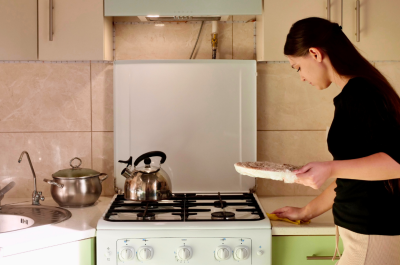
In the kitchen, think about what’s really necessary for daily use. Are there stacks of old magazines or gadgets you haven’t touched in years taking up counter space? Clearing these surfaces makes it easier to prepare meals and reduces the chance of knocking things over. We want to keep the most-used items easily accessible. This might mean reorganizing cabinets so that frequently used pots, pans, and dishes are on lower shelves or in easily reachable drawers. For bathrooms, the focus is on preventing slips. Loose bathmats are a common culprit. Securing these or opting for non-slip mats is a simple yet effective step. We also want to make sure toiletries are stored neatly, perhaps in a shower caddy or on shelves, rather than on the floor where they can become tripping hazards.
Securing Loose Cords and Electrical Hazards
Loose electrical cords are another sneaky danger. They can trail across floors, creating a trip hazard, especially for someone with reduced mobility or vision. Taking the time to bundle cords with ties or clips, or using cord covers, can make a big difference. We should also check that electrical outlets aren’t overloaded and that cords aren’t frayed or damaged. It’s a good idea to do a quick check of all appliances to make sure they’re in good working order. Sometimes, old appliances might have faulty wiring that poses a risk.
Ensuring Easy Access to Emergency Supplies
Part of creating a safe environment is being prepared for the unexpected. This means having emergency supplies readily available and easy to find. Think about a first-aid kit, a flashlight with extra batteries, and perhaps a list of important phone numbers. We want these items stored in a consistent, known location, not buried under piles of things. A small, accessible cabinet or shelf in a central area, like the living room or kitchen, works well. This way, if there’s a power outage or a minor injury, we can quickly get what we need without a frantic search.
Making these changes isn’t just about tidying up; it’s about proactively designing our living space to support our independence and well-being for years to come. It’s a practical application of the death cleaning philosophy – creating a present that is comfortable and safe.
Here are some specific actions we can take:
- Kitchen:
- Clear countertops of non-essential items.
- Organize lower cabinets for easy access to daily dishes and cookware.
- Check expiration dates on food items and discard anything old.
- Bathroom:
- Install grab bars near the toilet and in the shower.
- Use non-slip mats both inside and outside the shower.
- Store medications and toiletries in a secure, accessible cabinet.
- General Safety:
- Secure all loose cords with ties or covers.
- Ensure good lighting in all areas, especially hallways and stairs.
- Keep emergency contact information visible and up-to-date.
The Emotional Aspect of Swedish Death Cleaning For Aging In Place
Letting Go of Sentimental Attachments
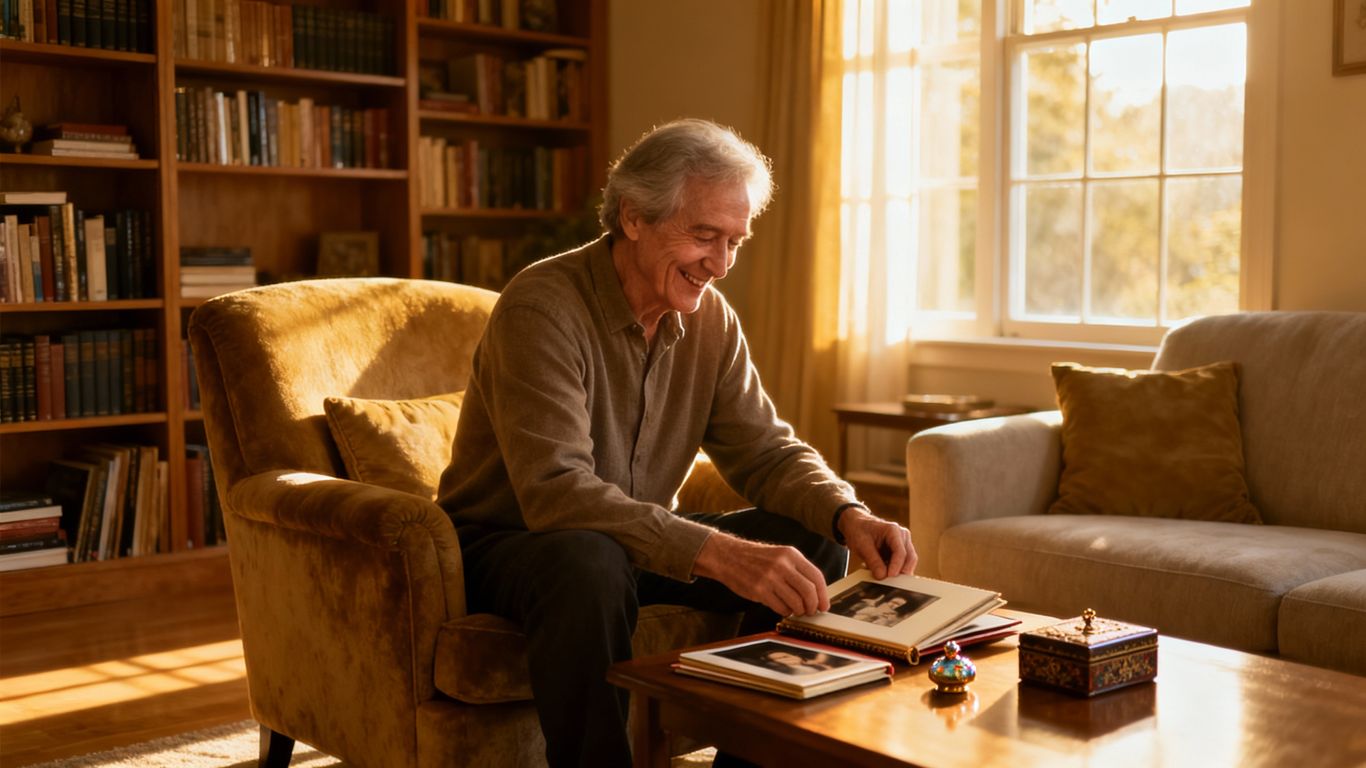
We all have things that hold memories. A child’s drawing, a wedding gift, a souvenir from a trip. When we start thinking about Swedish Death Cleaning, especially with the goal of staying in our homes longer, these items can feel like anchors. It’s not just about the object itself, but the feelings and stories tied to it. We might worry that if we let go of a physical item, we’re also letting go of the memory or the person associated with it. This is a common hurdle. It’s helpful to remember that the memory lives on within us, regardless of the clutter. We can take photos of items, write down the story behind them, or even pass them on to someone who will cherish them. The goal isn’t to erase the past, but to make space for the present and future.
Involving Family in the Process
Talking about death cleaning with family can be tough. It brings up conversations about mortality, which many people avoid. However, involving them can be incredibly beneficial. They might have different perspectives on certain items, perhaps even wanting them for themselves. This can ease the burden of decision-making for us. It also gives them a chance to connect with our history and understand what’s important to us. We can set aside time to go through boxes together, sharing stories as we sort. It’s a way to create new memories while sorting through old ones. Sometimes, family members can help with the physical labor, too, which is a big help as we age.
Finding Peace in a Simplified Space
Once we’ve gone through the process, the feeling is often one of relief. A home that’s less cluttered is easier to manage. It’s safer, too, with fewer things to trip over. But beyond the practical, there’s an emotional lightness that comes with it. We’re not weighed down by possessions we no longer need or use. This simplification can lead to a greater sense of peace and calm in our daily lives. It allows us to focus on what truly matters: our well-being, our relationships, and enjoying our time at home.
The act of decluttering our physical space often mirrors a decluttering of our minds. By releasing the excess, we create room for clarity, peace, and a renewed appreciation for the present moment. It’s a gentle process, allowing us to move forward with less burden and more joy.
Maintaining a Death-Cleaned Home for Long-Term Comfort
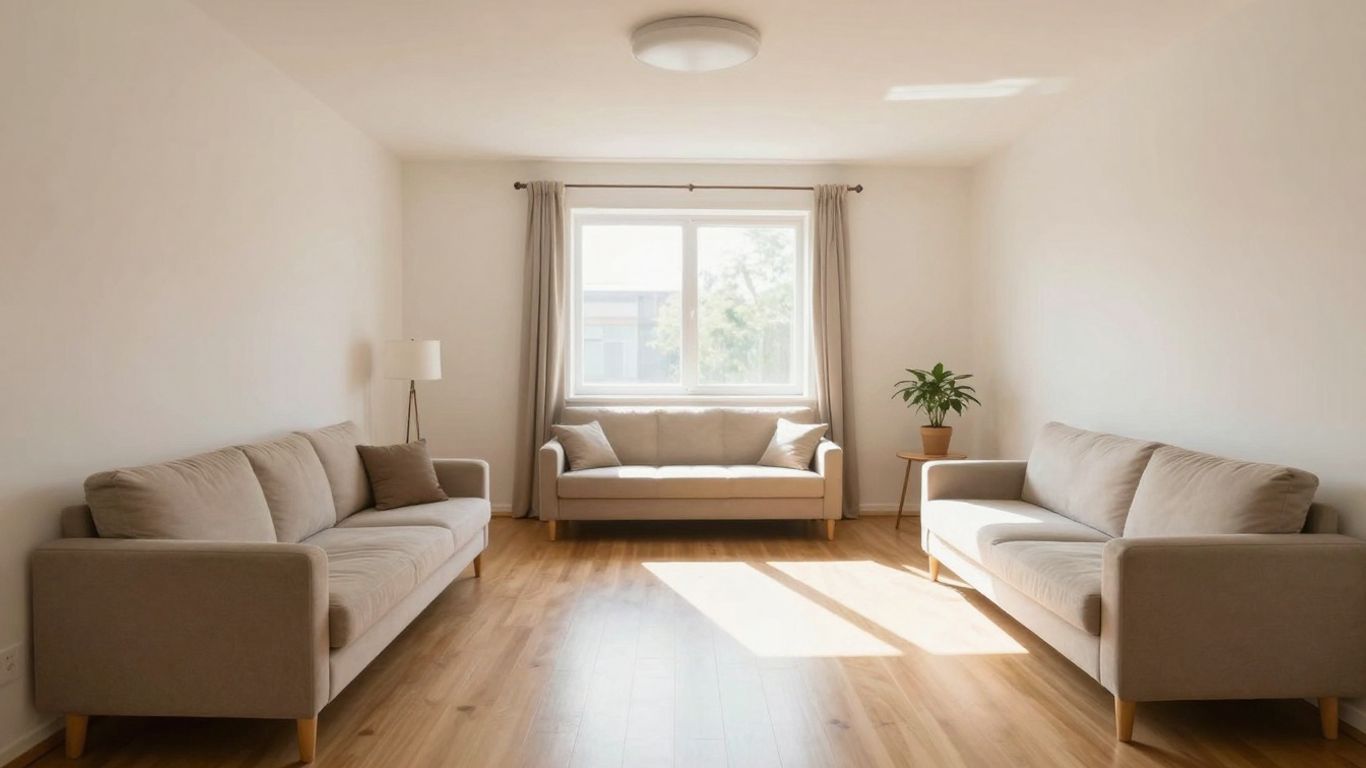
So, we’ve gone through the big decluttering, right? It feels good, lighter even. But the real trick isn’t just the initial purge; it’s keeping it that way so we can keep living independently and comfortably. This isn’t a one-and-done kind of thing. We need to build habits that work for us, so our homes stay safe and easy to manage.
Establishing Sustainable Decluttering Habits
This is where we make sure the progress we’ve made sticks. It’s about small, regular actions rather than big, overwhelming tasks. Think of it like tending a garden; you don’t just plant it and walk away. We need to keep up with it.
- The "One In, One Out" Rule: For every new item that comes into the house, we try to let go of something similar. Bought a new sweater? Time to donate an old one.
- Weekly Tidy-Up: Set aside 15-30 minutes each week for a quick sweep. This could be clearing mail from the counter, putting away stray items, or wiping down a surface.
- Seasonal Review: Twice a year, maybe spring and fall, we can do a slightly bigger check. Go through a specific drawer, a closet shelf, or a box of things we don’t use often.
We’re not aiming for sterile perfection here. The goal is a home that supports our lives, not one that feels like a museum. It’s about making daily living easier and reducing stress.
Regularly Reviewing Belongings
As we age, our needs and how we use our space can change. What was useful five years ago might not be now. So, we need to periodically look at what we have and ask ourselves if it’s still serving a purpose.
- Check for Duplicates: Do we really need three can openers? Probably not. Consolidate where possible.
- Assess Usage: When was the last time we used that specialized kitchen gadget or that formal serving dish? If it’s been a year or more, it might be time to pass it on.
- Consider Future Needs: Think about how we move around the house. Are there items that are becoming obstacles or are difficult to reach?
Adapting the Space as Needs Change
This is the ongoing part. Our homes need to adapt with us. Swedish Death Cleaning isn’t just about getting rid of things; it’s about making our living space work for us, especially as we get older.
- Mobility Aids: If we start using a cane or walker, we need to make sure pathways are clear. This might mean rearranging furniture or removing small rugs.
- Accessibility: Items we use daily should be easy to get to. Think about kitchen cabinets, bathroom shelves, and even the height of our beds.
- Safety First: Regularly check smoke detector batteries, clear out old medications, and make sure emergency contact information is visible and up-to-date.
The key is to be proactive and kind to ourselves throughout this process. It’s about creating a home that feels peaceful, safe, and truly ours for the long haul.
Wrapping Up Our Thoughts
So, as we wrap things up, it’s clear that bringing some Swedish Death Cleaning principles into our own homes can really make a difference. It’s not about getting rid of everything, but about being thoughtful with what we keep and why. This process can help us feel more in control of our living spaces, making them safer and more comfortable as we get older. We can move around more easily, find things when we need them, and just generally feel more at peace in our own houses. It’s a way to prepare for the future, yes, but it’s also about improving our lives right now. We hope this gives you some ideas to start thinking about your own space.
Frequently Asked Questions
What exactly is Swedish Death Cleaning, and why is it good for older adults staying home?
Swedish Death Cleaning, or ‘döstädning’ in Swedish, is all about tidying up your home before you pass away. We do this to make life easier for ourselves now and for our loved ones later. For seniors who want to stay in their homes, it means getting rid of stuff we don’t need. This makes our homes safer and more comfortable, reducing the chances of falls and making it easier to move around.
How does getting rid of extra stuff help us live at home longer and safer?
When we clear out extra items, we create more open space. This is super important for moving around easily, especially if we use walkers or canes. It also means fewer things to trip over. Imagine having clear paths to walk through your house – that’s the goal! It helps us stay independent and avoid accidents.
Are there specific areas in the house that are more important to clean out for safety?
Yes, definitely! We should pay close attention to the kitchen and bathrooms. These rooms often have slippery floors or tight spaces. By decluttering them, we reduce the risk of slips and falls. Keeping things we use often within easy reach also makes daily tasks much simpler and safer.
What about the emotional side of getting rid of things, especially items with memories attached?
We understand that letting go of items with sentimental value can be tough. It’s okay to feel that way. We can take photos of special items or keep just a few truly meaningful pieces. Sometimes, talking about these items with family can help us decide what to keep and what to let go of, making the process less stressful.
Should we involve our family in the Swedish Death Cleaning process?
Involving family can be very helpful. They can offer support and help us sort through belongings. It also gives them a chance to understand what’s important to us and perhaps receive items they cherish. This can make the whole process feel less like a chore and more like a shared activity.
How can we keep our homes tidy and safe after we’ve done the initial big clean-out?
The key is to make tidying a regular habit. We should try to put things away after we use them and avoid bringing too much new stuff into the house. It’s also wise to check in now and then to see if our needs have changed and if the way our home is set up still works for us. Small, consistent efforts keep our homes safe and comfortable for the long run.