
Moving can feel like a big undertaking. We’ve all been there, staring at piles of stuff and wondering where to even begin. To help make your next move smoother, we’ve put together some straightforward tips. Our aim is to help you get from your old place to your new one with less hassle.
Key Takeaways
- Before packing, take time to sort through your belongings. Consider donating items you no longer need or use. For extreme situations, professional hoarding cleanup services can be a helpful option to manage large amounts of clutter.
- Pack one room at a time to stay organized. Make sure to label every box with its contents and the room it belongs in at your new home. This makes unpacking much easier.
- On moving day, have a separate bag ready with items you’ll need right away, like toiletries and a change of clothes. Keep important documents and valuables with you personally.
Decluttering Before You Pack
Before we even think about bubble wrap and tape, we need to talk about getting rid of stuff. Moving is the perfect time to really go through everything we own. It might seem like a lot of work upfront, but trust us, it makes the actual packing and unpacking so much easier. Plus, who wants to pay to move things they don’t need or even like anymore?
Sort and Donate Unwanted Items
This is where we really roll up our sleeves. Grab some boxes or bags and start going through your belongings, room by room. We’re looking for things that are broken, things we haven’t used in years, or just items that don’t bring us joy anymore. It’s a good idea to have a few categories ready: Keep, Donate, Sell, and Trash. Be honest with yourselves about what you’re actually going to use. That "someday" item might be better off going to someone who can use it now.
- Clothing: If you haven’t worn it in a year, it’s probably time to let it go.
- Books: Are you really going to re-read that textbook from college?
- Kitchen Gadgets: Do you have duplicates or items you’ve never even taken out of the box?
- Decor: Does it still fit your style, or is it just taking up space?
Once you’ve got your donate piles sorted, look up local charities or donation centers. Many will even pick up larger items, which is a lifesaver. Selling items can be a good way to make a little extra cash for your move, but don’t spend too much time on it if it becomes a chore.
Remember, the less we have to pack, the less we have to unpack. It’s a simple equation that saves time, energy, and even money on moving costs.
Consider Professional Hoarding Cleanup Services
For some of us, the decluttering process might feel overwhelming, especially if we’ve accumulated a lot over time. If you’re dealing with a significant amount of clutter, or items that are difficult to sort through, it might be worth looking into professional hoarding cleanup services. These professionals can help sort, organize, and dispose of items in a safe and efficient manner. They understand how to handle sensitive situations and can make a huge difference in preparing your home for a move. It’s not about judgment; it’s about getting the job done so you can focus on the move itself. They can help with everything from general decluttering to specialized waste removal.
Strategic Packing Techniques
When it comes to packing, we often find ourselves just shoving things into boxes without much thought. This can lead to a lot of wasted time and frustration later on. To make the process smoother, we need a plan. Thinking strategically about how we pack can save us a significant amount of stress on moving day and beyond.
Pack Room by Room
This might seem obvious, but it’s a technique we often skip when we’re in a hurry. Trying to pack the entire house at once is overwhelming. Instead, focus on one room at a time. This helps us keep track of what goes where and prevents items from getting mixed up. It also makes unpacking much simpler because you can unpack room by room at your new place.
- Start with less-used rooms like guest bedrooms or storage areas.
- Move to more frequently used spaces like the kitchen or living room.
- Leave the essentials you’ll need right up until moving day for last.
Label Boxes Clearly
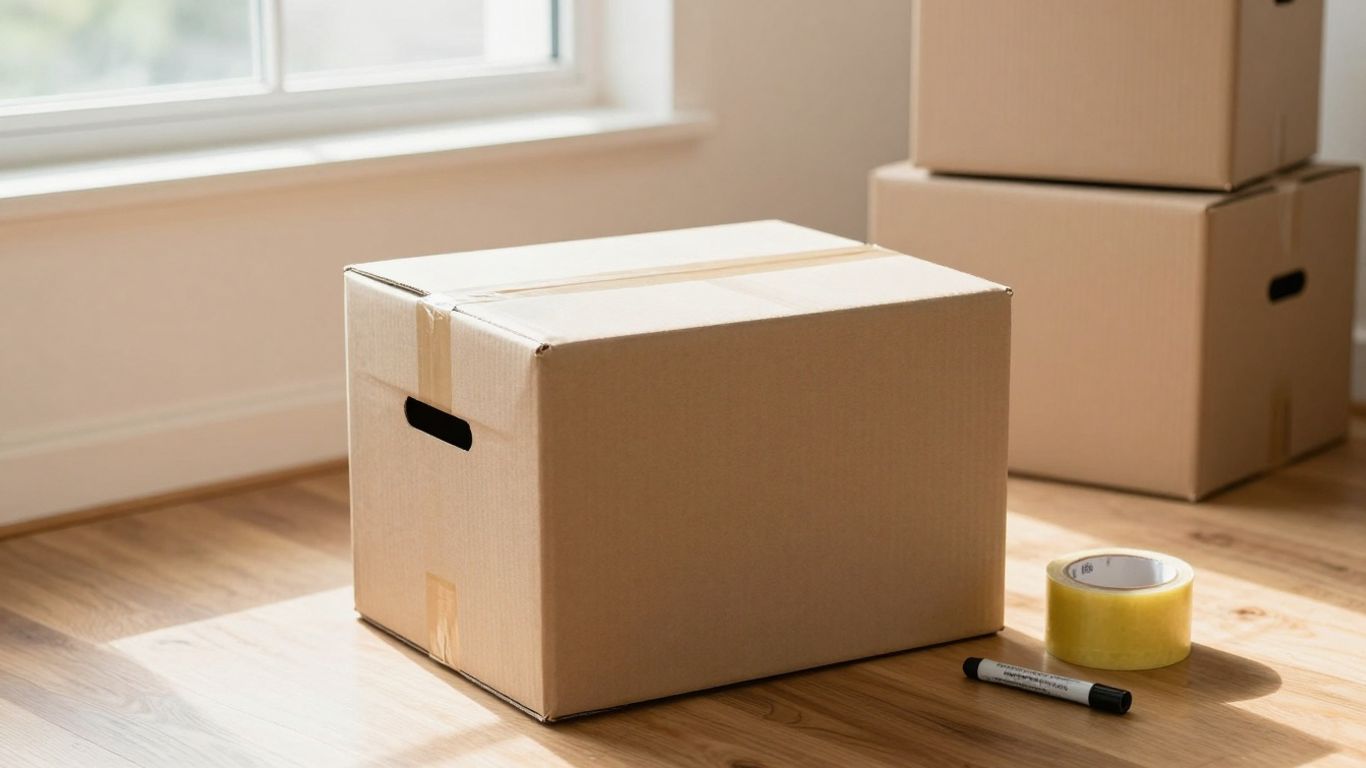
We can’t stress this enough: label your boxes! Don’t just write "Kitchen" or "Stuff." Be specific. Knowing what’s inside each box and which room it belongs to is a game-changer. This helps movers (or us!) place boxes in the correct rooms at the destination, and it makes finding things after the move so much easier.
Here’s a simple labeling system we find works well:
- Box Number: Assign a unique number to each box (e.g., K1, K2, L3).
- Room Destination: Clearly state the room where the box should go (e.g., "Kitchen," "Master Bedroom").
- Contents: Briefly list the main items inside (e.g., "Pots & Pans," "Books – Fiction," "Linens").
- Fragile: Mark any boxes containing breakable items with a clear "FRAGILE" label on multiple sides.
A well-labeled box is like a roadmap for your belongings. It tells you exactly what’s inside and where it needs to end up, cutting down on confusion and the need to open boxes just to see what’s in them. This simple step saves a lot of time and guesswork.
Moving Day Essentials
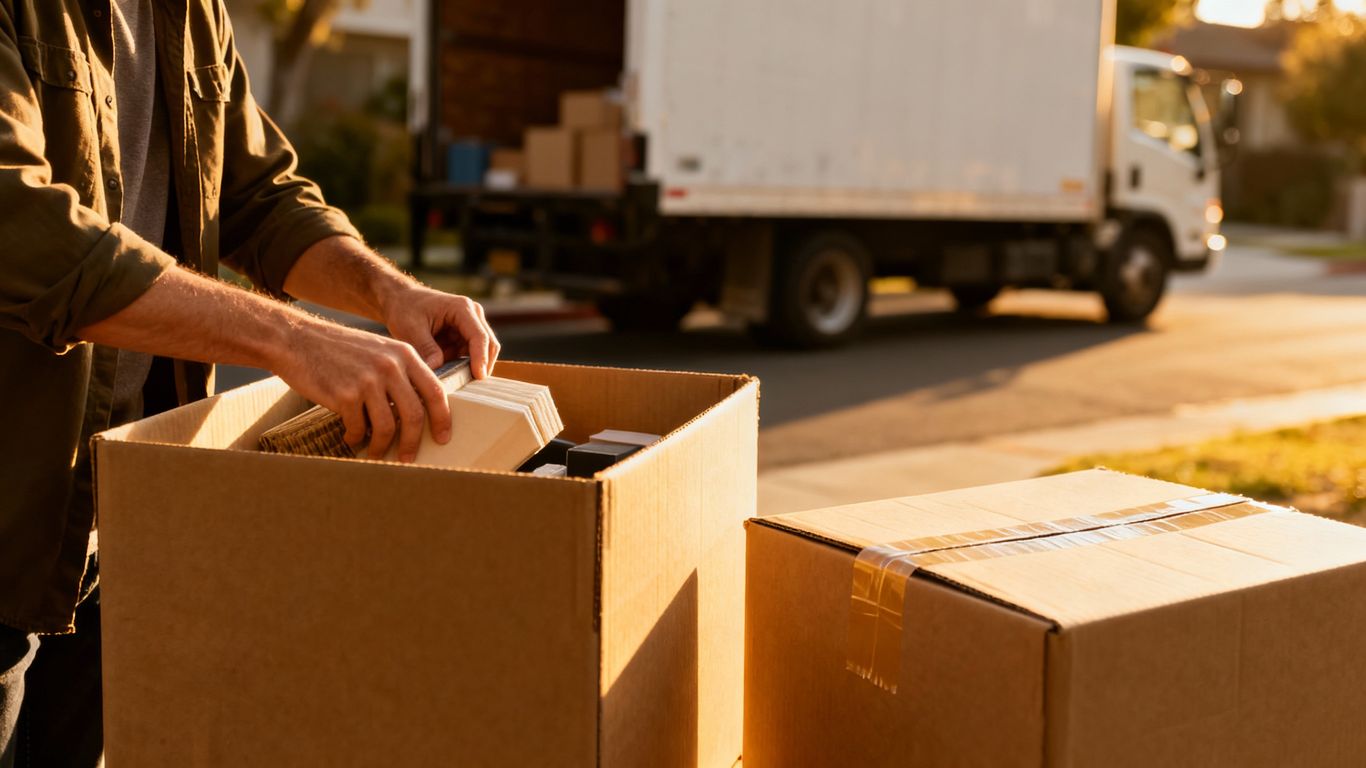
Alright, we’ve packed, we’ve labeled, and now it’s finally moving day. This is the day when all our careful planning comes to fruition, or sometimes, when things get a little chaotic. To help us keep our heads on straight, we need to think about what we’ll need right away when we get to the new place. Having a designated bag or box with immediate necessities is a game-changer.
Prepare an Overnight Bag
Think of this as your survival kit for the first 24 hours. It’s the stuff you’ll want easy access to without having to dig through stacks of boxes. We should pack things like:
- Toiletries: Toothbrushes, toothpaste, soap, shampoo, deodorant, and any personal medications.
- A change of clothes for each person: Something comfortable to sleep in and something fresh for the next day.
- Basic tools: A screwdriver, pliers, and maybe a utility knife for opening boxes.
- Phone chargers and portable power banks.
- Important documents: Leases, moving contracts, and identification.
- Snacks and water bottles: Moving is hungry work, and you might not have immediate access to a kitchen.
This bag should be clearly marked and kept with us, not loaded onto the moving truck until the very last moment. It’s our little comfort zone in the middle of the moving storm.
Secure Valuables Separately
Some items are just too important or sentimental to entrust to movers, no matter how reputable they are. We need to keep these personally secure. This includes:
- Jewelry
- Important financial documents (like bank statements or investment records)
- Family heirlooms or irreplaceable photographs
- Laptops, tablets, and other expensive electronics
We should transport these items in our own vehicle. It gives us peace of mind knowing they are safe and sound. Don’t forget to pack a small bag with chargers for any electronics you’re taking with you. It’s a small step, but it makes a big difference when you’re tired and just want to relax after a long day of moving.
Moving Forward with Confidence
So, we’ve gone over a few ways to make packing and moving a bit easier. It’s a big job, no doubt about it, but with some planning and a bit of elbow grease, we can get through it without too much fuss. Remember to take your time, label those boxes well, and don’t be afraid to ask for help if you need it. We think you’ll find that a little preparation goes a long way. Now, go forth and move with less stress!
Frequently Asked Questions
When should we start getting rid of things we don’t need?
It’s best to begin sorting through your belongings well before the moving trucks arrive. Think of it as a treasure hunt for things you no longer use or love. The earlier you tackle this, the less you’ll have to pack and move, making the whole process much smoother.
How can we make sure we don’t forget important items on moving day?
We recommend packing a special bag or box with essentials you’ll need right away in your new home. This includes things like toiletries, a change of clothes, medications, important documents, and chargers. Keep this with you, not on the moving truck.
Is it really necessary to label every single box?
Absolutely! Labeling boxes is a lifesaver when you start unpacking. We suggest writing down which room the box belongs in and a brief list of what’s inside. This way, you can quickly find what you need and avoid that overwhelming feeling of having boxes everywhere.