


As the warmer, wetter months approach along the Gulf Coast, we often find ourselves facing a unique challenge: spring cleaning with a side of humidity-induced clutter. The damp air can make things sticky, moldy, and generally more difficult to manage. We want to help you get your home back in shape after a long winter. Let’s look at how we can tackle this together.
Key Takeaways
- When cleaning in humid areas, focus on items that can be damaged by moisture, like paper goods or certain fabrics. Proper ventilation is key.
- Gathering the right supplies beforehand will make your cleanup process smoother. Think about things that can handle dampness and protect your belongings.
- If the task feels overwhelming, remember that professional hoarding cleanup services in the Gulf Coast area are available to assist you.
Tackling Spring Clutter: A Gulf Coast Approach
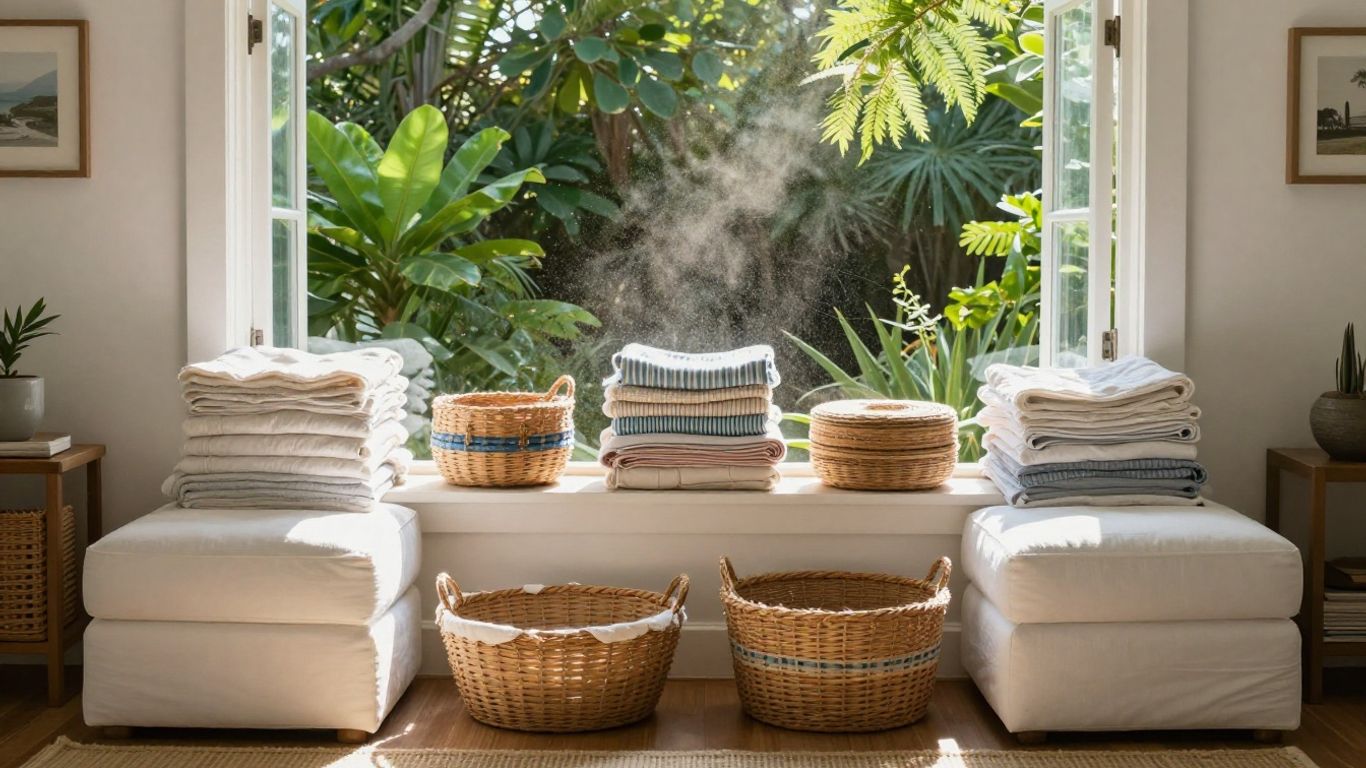
As the warmer, more humid months approach along the Gulf Coast, we often find ourselves facing a unique set of challenges when it comes to spring cleaning. The damp air can accelerate the breakdown of certain items and encourage mold or mildew growth, making our clutter feel a bit more… sticky. It’s not just about excess stuff; it’s about stuff that’s been affected by our climate.
Addressing Humidity-Related Clutter
Our homes here tend to hold onto moisture, and this can turn everyday items into potential problems. Think about paper goods – old magazines, important documents, even books can start to warp or develop a musty smell. Fabrics, too, can feel clammy and might show signs of mildew if not stored properly. We need to be mindful of how humidity impacts what we keep.
- Paper Products: Check for any signs of warping, discoloration, or that distinct damp smell. Consider storing important documents in airtight containers or digitizing them.
- Textiles: Linens, clothing, and upholstery can absorb moisture. Air them out in a dry space if possible, and inspect for any mildew spots.
- Electronics: While less common, extreme humidity can affect older electronics. Ensure they are kept in a dry, climate-controlled area.
- Food Storage: Pantry items can be more prone to spoilage or pest attraction in humid conditions. Regularly check expiration dates and the condition of packaging.
The key is to be proactive. Instead of just moving things around, we need to assess their condition in relation to our coastal environment. What might be fine in a drier climate could need special attention here.
Essential Supplies for Coastal Cleanup
Getting ready for this kind of cleanup means having the right tools on hand. We’re not just talking about your standard cleaning sprays; we need items that can handle moisture and potential mold.
Here’s a quick list of what we’ve found helpful:
- Ventilation Aids: Fans, dehumidifiers, and open windows (on dry days!) are your best friends.
- Cleaning Solutions: Mildew removers, vinegar-based cleaners, and good old-fashioned soap and water.
- Protective Gear: Gloves and masks are important, especially when dealing with anything that might have mold.
- Storage Solutions: Airtight plastic bins, moisture-absorbing packets (like silica gel), and sturdy shelving.
- Disposal Bags: Heavy-duty trash bags for anything that needs to be thrown out.
Having these items ready before you start makes the process much smoother. We’ve learned that trying to clean without the right supplies often leads to more frustration than progress. It’s about being prepared for the specific demands of our coastal living.
Organizing Your Home After Winter’s Grip
After a long winter, our homes on the Gulf Coast can feel a bit… sticky. The damp air that’s so nice in the summer can also make things feel cluttered and musty come spring. We need to get things sorted out before the real heat and humidity set in. It’s time to tackle that winter accumulation and get our living spaces feeling fresh again.
Decluttering Strategies for Coastal Residences
When we think about decluttering here, we have to consider the humidity. Things that might be fine elsewhere can get moldy or mildewy quickly in our climate. So, our approach needs to be a bit different.
- Start with a Plan: Don’t just dive in. Pick one room or even one closet to start. Trying to do too much at once can be overwhelming.
- Sort into Zones: As you pull things out, create piles: Keep, Donate, Trash, and Relocate (items that belong elsewhere in the house).
- Inspect for Moisture Damage: This is key for us. Check fabrics, paper goods, and anything porous for signs of mold or mildew. If you find it, it’s often best to discard it, especially if it’s widespread.
- Ventilate as You Go: Open windows and use fans. Getting air moving helps dry things out and reduces that musty smell.
We found that tackling the “donate” pile first really motivated us. Dropping off items at a local charity center felt good, and it made the “keep” pile seem much more manageable.
Finding Professional Hoarding Cleanup Services Gulf Coast
Sometimes, the clutter is more than just a few extra items. If we’re dealing with a situation that feels overwhelming, or if hoarding behaviors are making it hard to maintain a safe living space, it’s okay to ask for help. There are services right here on the Gulf Coast that specialize in this.
These professionals understand the unique challenges of our climate, including how moisture can affect stored items. They can help with:
- Safe removal of unwanted items.
- Deep cleaning and sanitization.
- Disposal of damaged or unsalvageable goods.
- Organizing remaining possessions.
It’s important to find a service that is discreet and compassionate. They aren’t just cleaning; they’re helping us reclaim our homes. A quick online search for “hoarding cleanup Gulf Coast” will bring up several options. We recommend calling a few to discuss your specific needs and get quotes.
Dealing with significant clutter can be emotionally taxing. Remember that seeking professional assistance is a sign of strength, not weakness. These services are designed to help restore not just your home, but also your peace of mind, especially in our challenging coastal environment where dampness can exacerbate existing issues.
Wrapping Up Our Spring Cleanup
So, we’ve gone through the steps to tackle that spring cleanup, especially with the humidity we deal with down here on the Gulf Coast. It might seem like a lot at first, but breaking it down makes it manageable. We hope these tips help you clear out the clutter and get your home feeling fresh and ready for the warmer months. Remember, a little bit of effort now can make a big difference in how comfortable your living space feels. Let’s enjoy a cleaner, more organized home this season.
Frequently Asked Questions
What’s the biggest difference when cleaning up in a humid place like the Gulf Coast?
The main thing we notice is how moisture affects our stuff. Things can get damp, sticky, or even grow mold. So, when we clean, we need to pay extra attention to drying things out and making sure there’s good airflow to prevent problems later.
How can we make sure our spring cleaning actually helps with clutter?
It’s all about being smart with our approach. We suggest starting small, maybe one room or even just one drawer. We also like to have a ‘keep,’ ‘donate,’ and ‘toss’ pile ready. For our homes here, we must also think about items that might have gotten damaged by humidity and decide if they’re worth keeping.
When should we consider getting professional help for cleaning up a lot of stuff?
If the clutter feels overwhelming, or if we’re dealing with items that might be unsafe due to mold or dampness, it’s a good idea to look for experts. Professionals who specialize in cleaning up hoarding situations on the Gulf Coast know how to handle the unique challenges our climate presents, like dealing with moisture and ensuring a thorough, safe cleanup.